Advanced Strategies for Optimizing Storage Space

Alexandra Popescu
Industrial Logistics Expert
Implementing automated stacking systems and reorganizing the pallet flow can increase operational efficiency by up to 40% in modern distribution centers.
Analysis of the Current Configuration
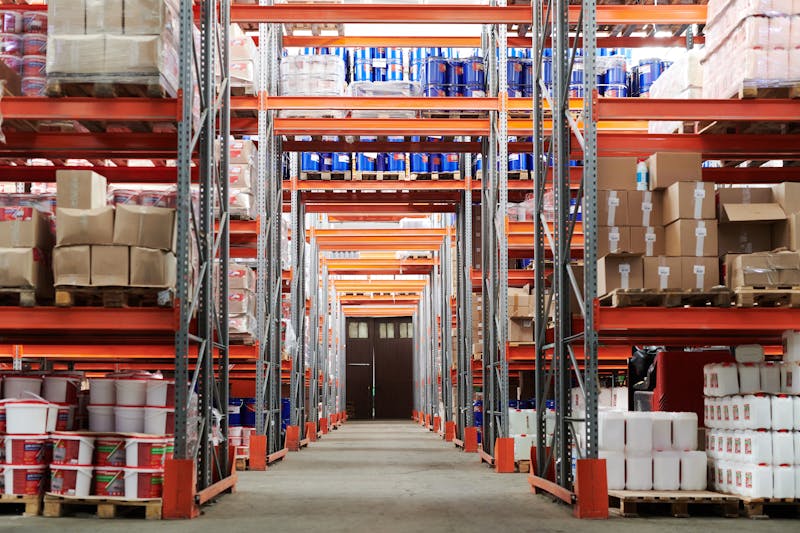
The first step towards optimization is a detailed assessment of the existing layout. Measuring the cycle time for pallet handling, identifying congestion points along the conveyor belt, and mapping forklift routes are essential.
-
1Audit of material traffic between receiving, storage, and shipping zones.
-
2Assessment of vertical space utilization and height limitations.
-
3Analysis of stock access data (FIFO, LIFO) and inventory turnover rate.
Integration of Technology and Processes
Modern WMS (Warehouse Management Systems), synchronized with industrial clocks for productivity monitoring, enable dynamic task allocation and real-time inventory tracking.
Key conclusion: Optimization is not a one-time project, but a continuous process. The pace of logistics is dictated by the industrial clock – every second saved in the palletizing cycle multiplies at scale.