Optimizing Material Flow in Highly Automated Warehouses
The transition to smart warehouses represents a critical leap for supply chain efficiency. This evolution involves not just robotics, but a complete reconceptualization of material flow.
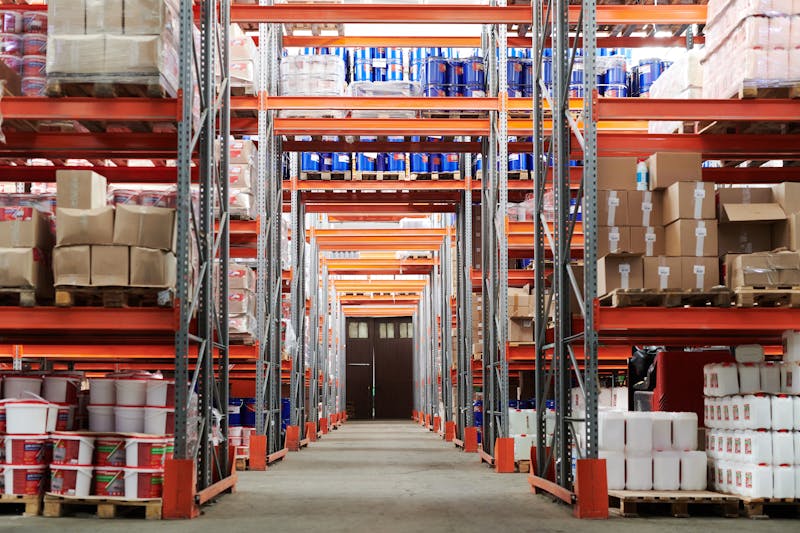
Pillars of Efficient Automation
Inventory management in the digital age goes beyond simple stocktaking. Integrating WMS (Warehouse Management System) with automated equipment, such as guided forklifts and smart conveyor belts, reduces human errors by over 70%.
"Execution speed is not the most important indicator. Accuracy and predictability of flow define true industrial efficiency."
Practical Implementation Strategies
- 1 Current flow analysis: Mapping pallet bottlenecks and dwell times.
- 2 Technology selection: Choosing between AS/RS, automated forklifts, or mobile robots based on volume and cargo type.
- 3 Team training: Preparing managers and operators for interfacing with new systems, essential for success.
Real-time monitoring through IoT sensors and centralized control panels allows for continuous process adjustment. The industrial clock no longer just measures time, but the perfect synchronization of material movement.
Investing in specialized logistics training for managers thus becomes not a cost, but a productivity multiplier, ensuring that technology is driven by competence.